
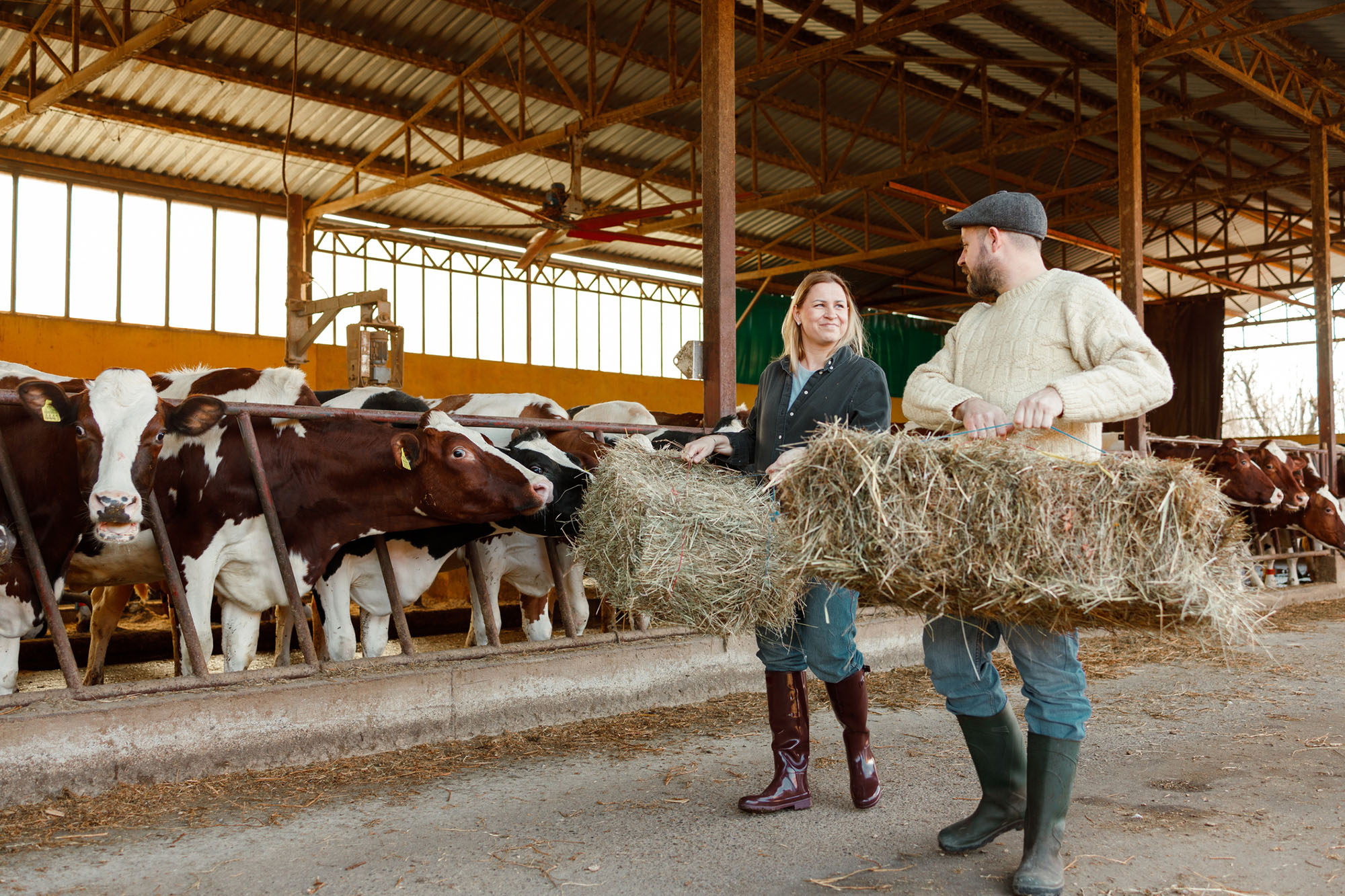
A big change was announced in December 2025. The UK government conceded defeat to farmers and entrepreneurs, rolling back its plans to reduce inheritance tax (IHT) relief.
Instead of going ahead with a £1m “cap” for full IHT relief on qualifying assets, the threshold for agricultural and business assets would be £2.5m.
This planned update, which takes effect in April 2026, represents more than twice the originally proposed cap and will provide welcome breathing room for family farms and trading businesses.
The change follows intense lobbying from farming families and business owners concerned about the impact of the reforms originally announced in the Autumn Budget 2024.
While the increase is a positive development, it’s important to understand how the new rules work and what they mean for your estate planning.
What Has Changed?
Previously, Agricultural Property Relief (APR) and Business Property Relief (BPR) provided 100% IHT relief on qualifying assets with no upper limit. This meant that family farms and trading businesses could be passed to the next generation without triggering an IHT charge, regardless of their value.
From 6 April 2026, a cap will apply. Assets qualifying for APR or BPR will receive 100% relief only on the first £2.5 million of combined value. Assets above this threshold will receive 50% relief, meaning an effective IHT rate of 20% on the excess.
The £2.5 million allowance is transferable between spouses and civil partners. This means a couple can potentially pass on up to £5 million of qualifying agricultural or business assets free of IHT, in addition to their other allowances, such as the nil-rate band and residence nil-rate band.
In some circumstances, a couple could potentially shelter up to £6 million from IHT, depending on eligibility for the residence nil-rate band.
Why Was This Change Made?
The October 2024 Budget originally proposed a £1 million cap on 100% relief for agricultural and business property.
This caused significant concern among farming families and business owners, many of whom faced the prospect of substantial IHT bills despite being asset-rich but cash-poor.
Following consultation and lobbying from rural groups, MPs, and business organisations, the government listened to these concerns and announced the increased threshold.
The move is designed to protect genuine family farms and trading businesses while ensuring that the largest estates still contribute to tax revenues.
While this is welcome news, it’s worth noting that many families had already begun restructuring their affairs based on the original £1 million proposal.
What Qualifies for Relief?
Agricultural Property Relief applies to farmland, farm buildings and farmhouses used for agricultural purposes.
To qualify, the property must be occupied for agricultural purposes and meet specific ownership or occupancy requirements.
Business Property Relief applies to interests in trading businesses, including shares in unquoted trading companies and assets used in a business you own.
The business must be a genuine trading operation rather than an investment business, and certain ownership periods must be met.
It’s important to note that not all business assets qualify. Investment businesses, property rental businesses (unless part of a farming operation), and businesses dealing in securities or land generally do not qualify for relief.
The qualifying tests can be complex, particularly where businesses have both trading and investment elements. Professional advice is essential to determine whether your assets qualify and to ensure you meet all the conditions.
How the New Rules Work
Under the new rules, you will receive 100% relief on the first £2.5 million of qualifying agricultural and business assets. This is a combined allowance, so if you have both farm property and business interests, they share the £2.5 million threshold.
For assets above £2.5 million, relief is reduced to 50%. This means that IHT is charged at an effective rate of 20% on the excess (50% of the standard 40% rate).
For example, if you own qualifying business assets worth £4 million, the first £2.5 million would be fully relieved, and the remaining £1.5 million would receive 50% relief. IHT at 40% would be charged on £750,000, resulting in a tax bill of £300,000.
The £2.5 million allowance refreshes every seven years, similar to the nil-rate band. This means you can potentially make lifetime gifts of business or agricultural property and, if you survive seven years, the full allowance becomes available again.
Implications for Trusts
Trust rules are more complex. Each trust created before 30 October 2024 will have its own £2.5 million allowance. However, trusts created on or after this date by the same settlor will share a single £2.5 million allowance between them.
This means that if you have established multiple trusts after 30 October 2024, you will need to consider how the allowance is allocated across them. The rules are nuanced, and professional advice is essential to ensure you understand the amount of relief available to each trust.
For trustees of existing trusts, it’s important to quantify the available relief and ensure the trust structure remains tax-efficient under the new rules.
Planning Before April 2026
Although the increased threshold is welcome, time is limited to make any changes before the new rules take effect. If your estate is likely to exceed the £2.5 million threshold for qualifying assets, there may be planning opportunities available.
One option is to make lifetime gifts of business or agricultural property before April 2026. If you survive seven years, these gifts will fall outside your estate entirely under the current unlimited relief rules. However, this strategy requires careful consideration of your future needs and the tax implications.
Gifting can be particularly effective when you are ready to pass control to the next generation and can afford to relinquish ownership. However, you should consider the Capital Gains Tax implications and ensure these transfers align with your broader financial plan.
It’s also worth reviewing your will to ensure it remains tax-efficient under the new rules and that your estate is structured to make the best use of available reliefs and allowances.
Funding the Tax Liability
For estates above the £2.5 million threshold, there may be an IHT liability on death. This can create liquidity issues for families who are asset-rich but cash-poor, particularly where most wealth is tied up in farmland or business assets.
One solution is to arrange life insurance written in trust to cover the potential IHT bill. The insurance payout falls outside your estate and can provide your beneficiaries with the funds needed to pay the tax without having to sell assets.
The government has also extended the option to pay IHT by instalments over ten years to all assets eligible for APR or BPR. This can help spread the burden, although interest may apply.
You should consider the interest implications carefully when deciding whether to use this option.
Another approach is to consider extracting liquidity from the business over time. However, this must be balanced against the tax implications and the need to maintain the business’s trading status for relief purposes.
The Interaction with Other IHT Allowances
The APR and BPR reliefs apply in addition to the standard IHT allowances. Every individual has a nil-rate band of £325,000 and, if applicable, a residence nil-rate band of up to £175,000 when a home is left to direct descendants.
These allowances are transferable between spouses and civil partners, meaning a couple can shelter up to £1 million through their combined nil-rate bands and residence nil-rate bands.
When combined with the £5 million APR/BPR allowance for a couple, this provides substantial scope to pass wealth to the next generation tax-efficiently. However, careful planning is required to ensure that each spouse has sufficient qualifying assets to make use of their allowances.
Looking Ahead: Pensions and IHT
While the APR and BPR changes take effect in April 2026, another significant change is on the horizon. Future governments may review the inheritance tax treatment of pensions, but currently most pension funds remain outside the estate for IHT purposes.
Currently, pensions fall outside the scope of IHT, making them a highly tax-efficient way to pass wealth to the next generation. The inclusion of pensions in the IHT calculation will require many people to reassess their estate planning strategies.
It’s worth noting that pension funds will not qualify for APR or BPR, even if they are invested in agricultural or business assets. This means the IHT treatment of pensions and business assets must be considered separately.
Taking Action
The increase in the APR and BPR threshold to £2.5 million is a welcome development for many families. However, it does not eliminate the need for careful estate planning, particularly for larger estates or those with complex structures.
If you own a family farm or trading business, now is the time to review your position. Consider whether your assets are likely to exceed the new threshold, how any IHT liability might be funded, and whether there are planning opportunities available before the changes take effect.
It’s also important to ensure that your business or farm continues to meet the qualifying conditions for relief. Maintaining a genuine trading operation and proper records will be essential to support any claim for relief.
The piecemeal nature of recent announcements has created uncertainty, and the late timing of the increase means some families have already restructured their affairs based on the original £1 million proposal. Professional advice can help you navigate the changes and ensure your estate planning remains effective.
Please don’t hesitate to contact a member of the team if you would like to discuss how the new IHT rules affect your estate planning.
Please note:
This article is for general information only and does not constitute financial, tax or legal advice. Tax treatment depends on individual circumstances and may change in the future. The Financial Conduct Authority does not regulate tax planning, will writing, trusts or estate planning services. You should seek independent professional advice before taking any action based on the information provided.